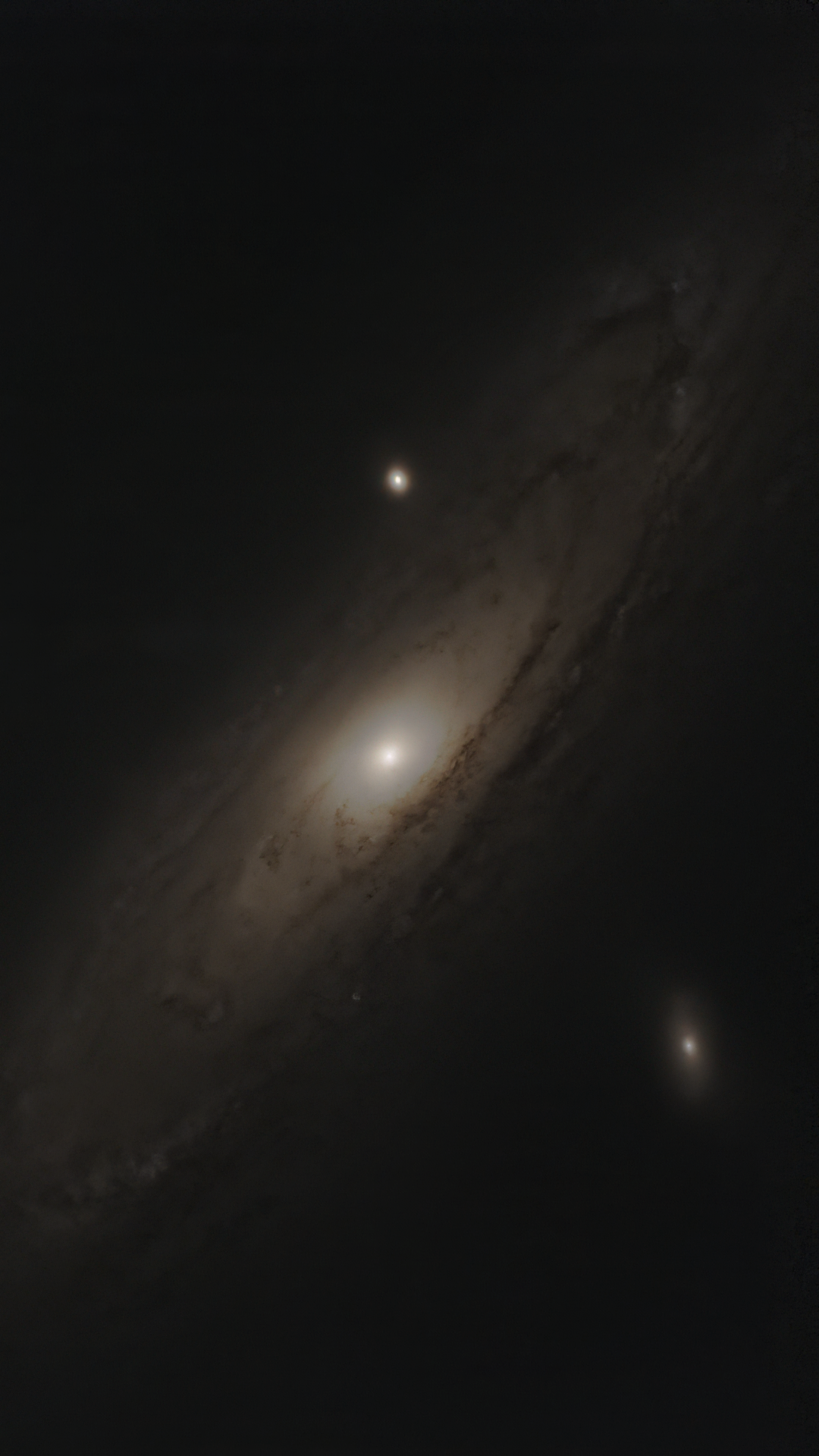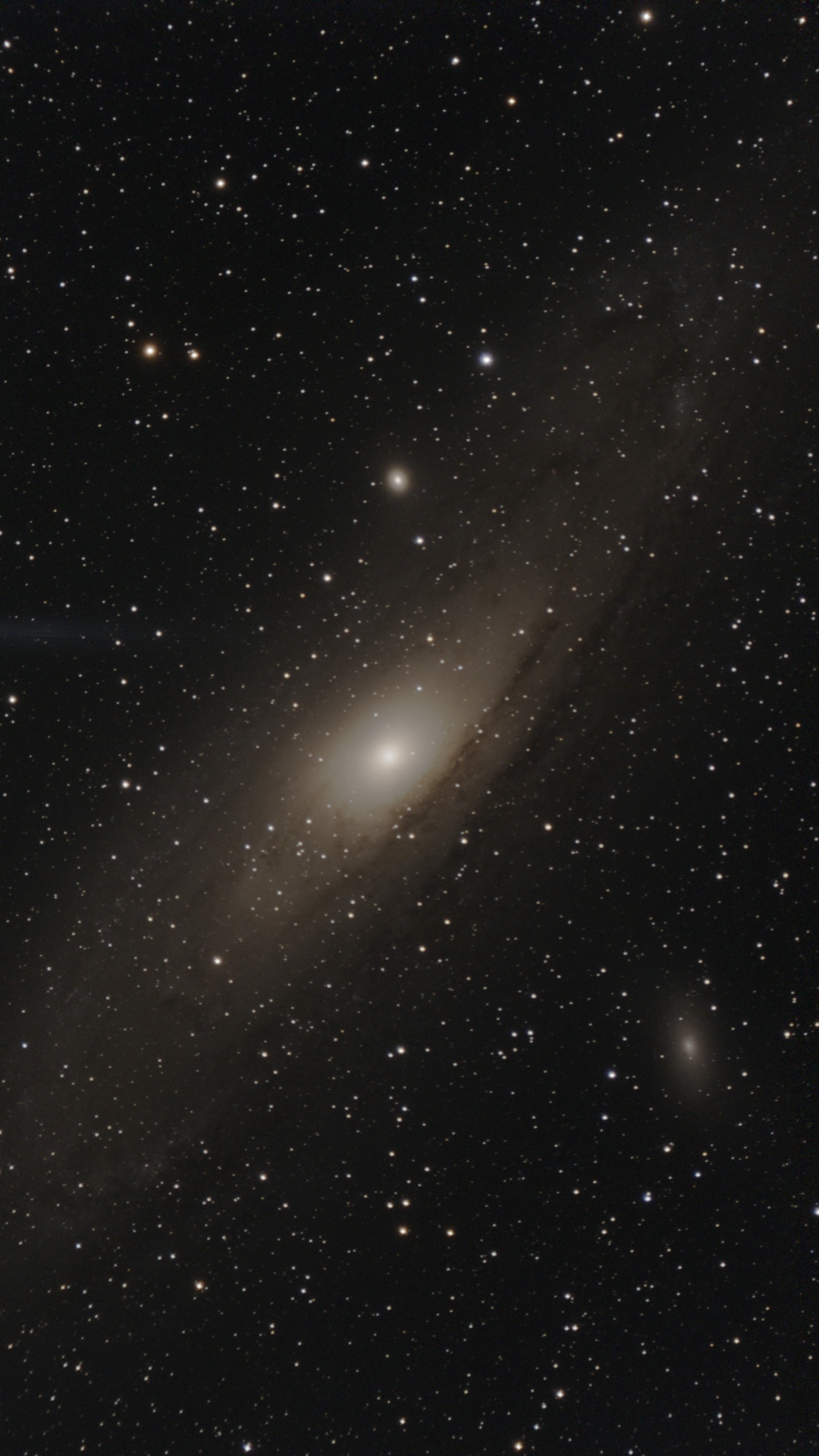

See what Axiom v2 changes
Drag the handle to compare the original frame vs the Starless result.
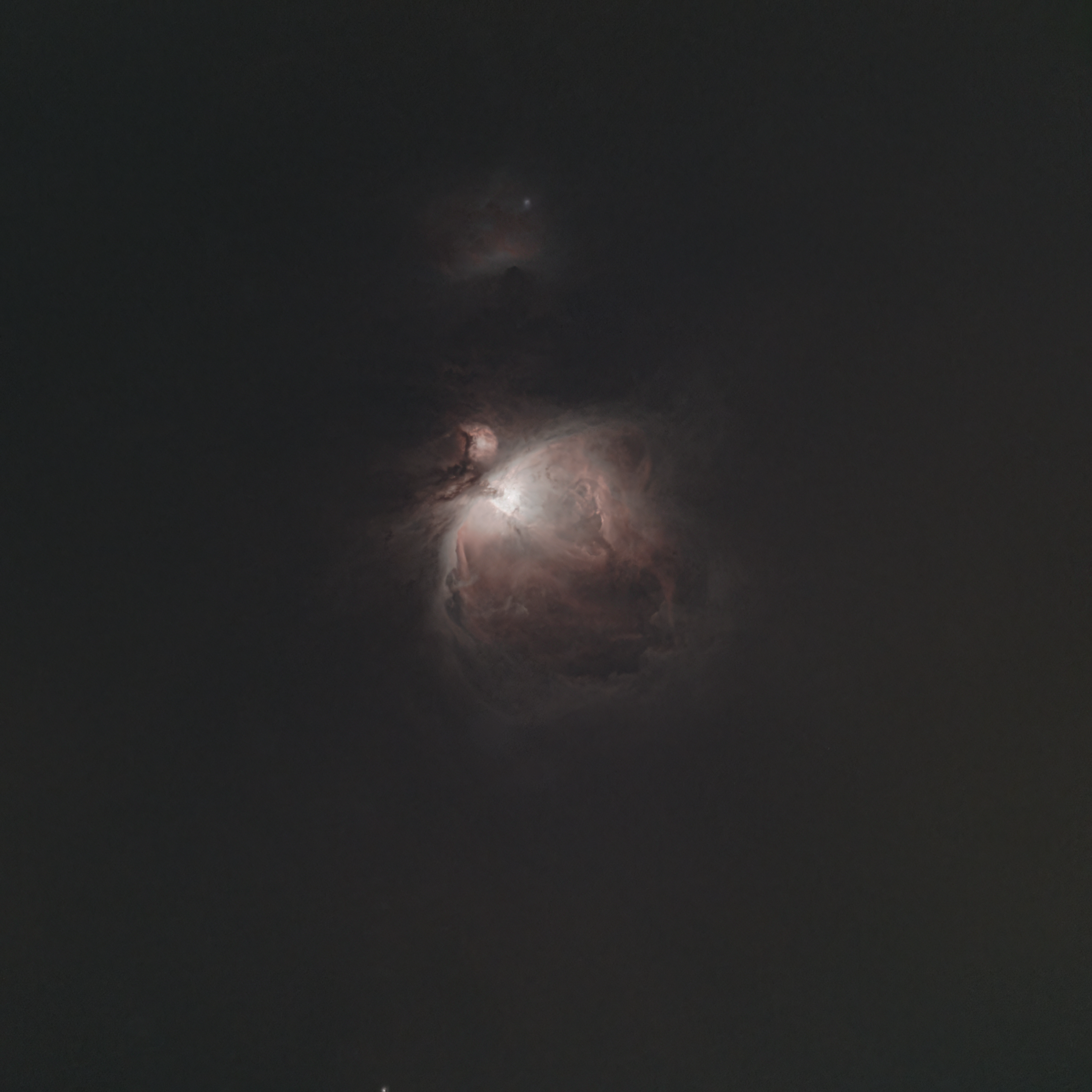
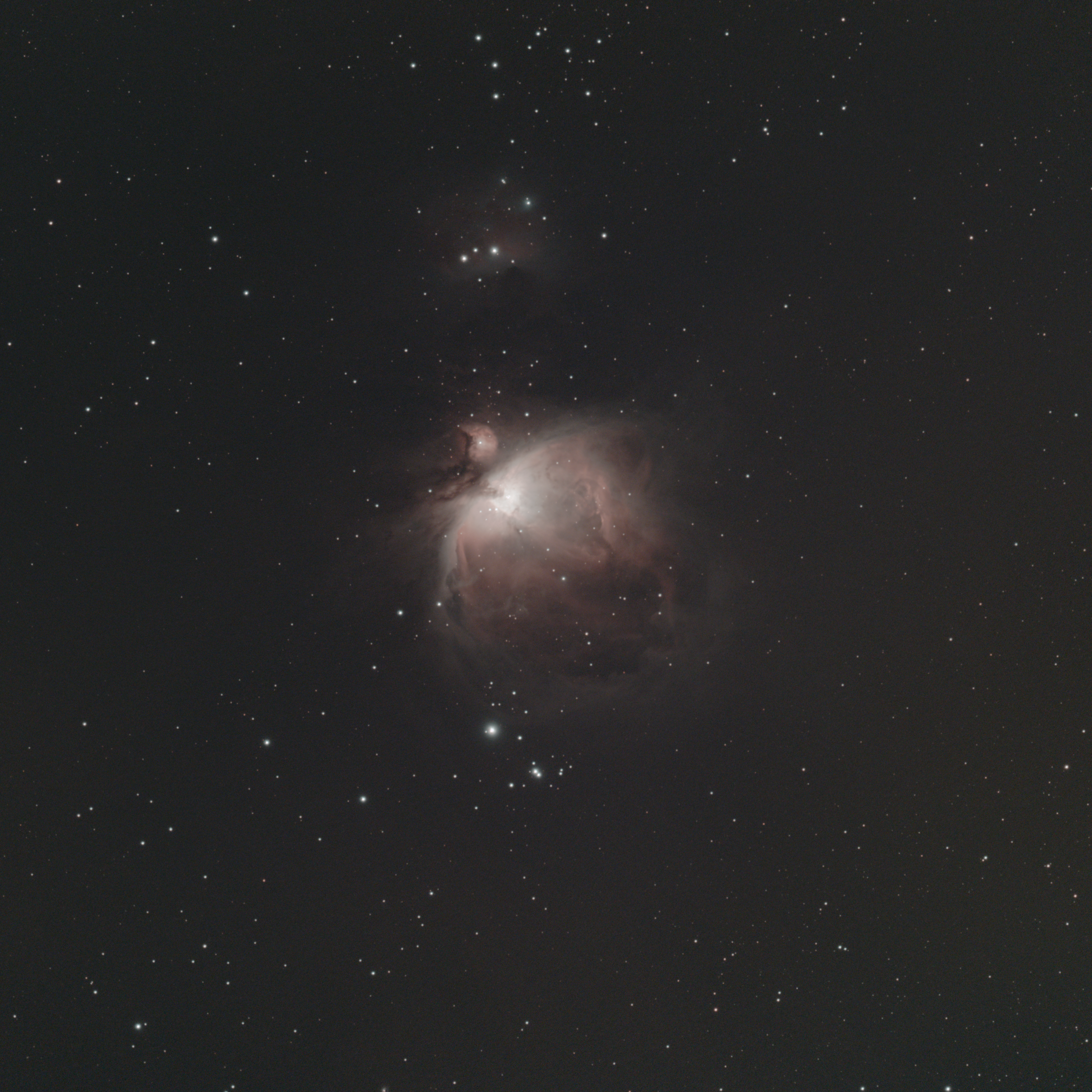
Star removal with structure preservation — designed for astrophotography workflows.
Noise Cleaning, Not Just Star Removal
Starless doesn’t only separate stars from deep-sky signal — it also cleans noise in the same pass. The result is a cleaner background and more reliable structure, which is why Starless becomes the first step before any editing: stretching, color work, contrast, sharpening, or local enhancements.
This is not “classic” noise reduction (blurring, smoothing, or frequency filtering). Axiom v2 applies a neural model trained to distinguish astrophysical signal from noise patterns at the pixel level, using learned statistical priors about real sky data. In practice, it suppresses both random noise and structured noise while preserving faint gradients and filamentary detail — improving the signal-to-noise ratio without destroying information.
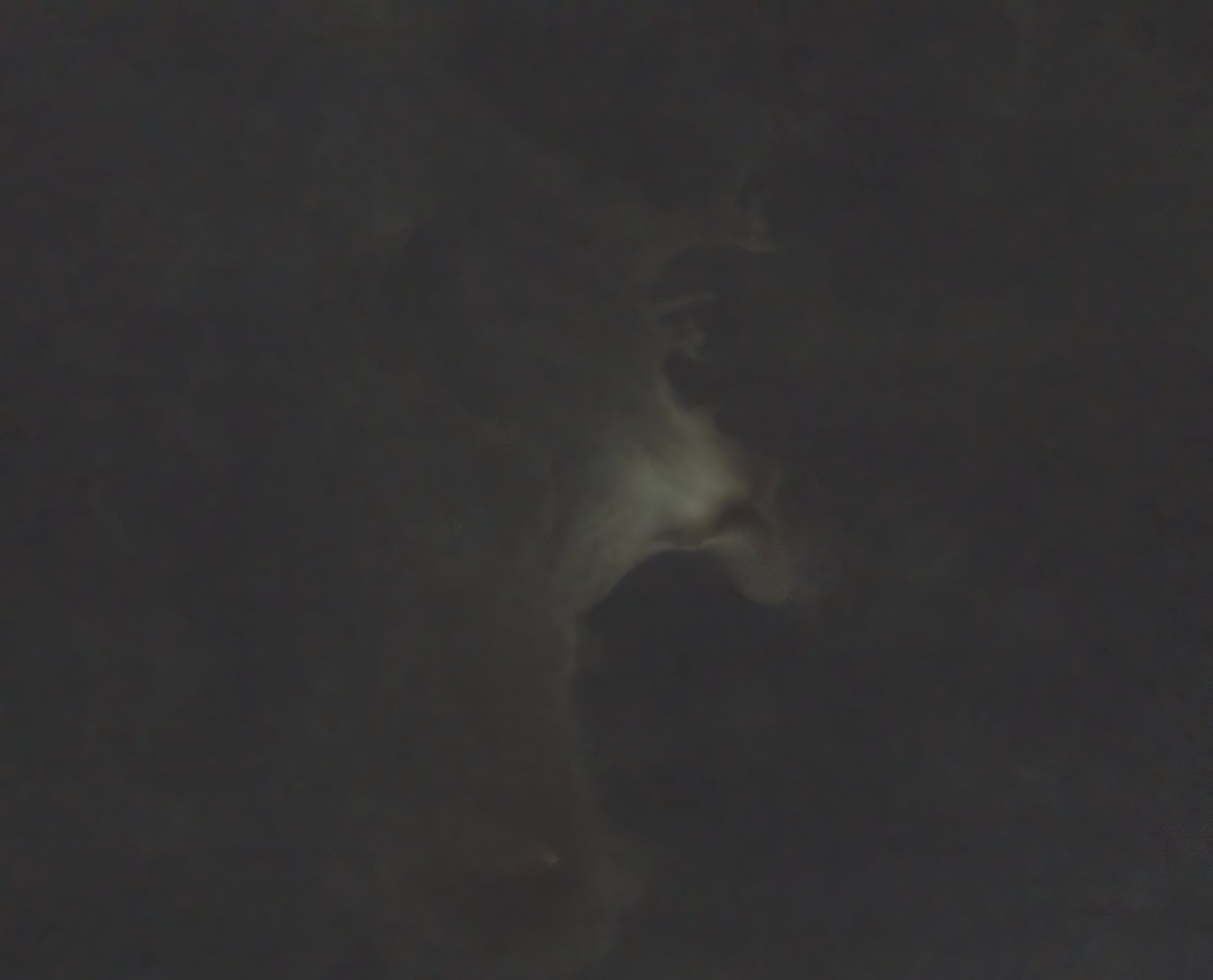
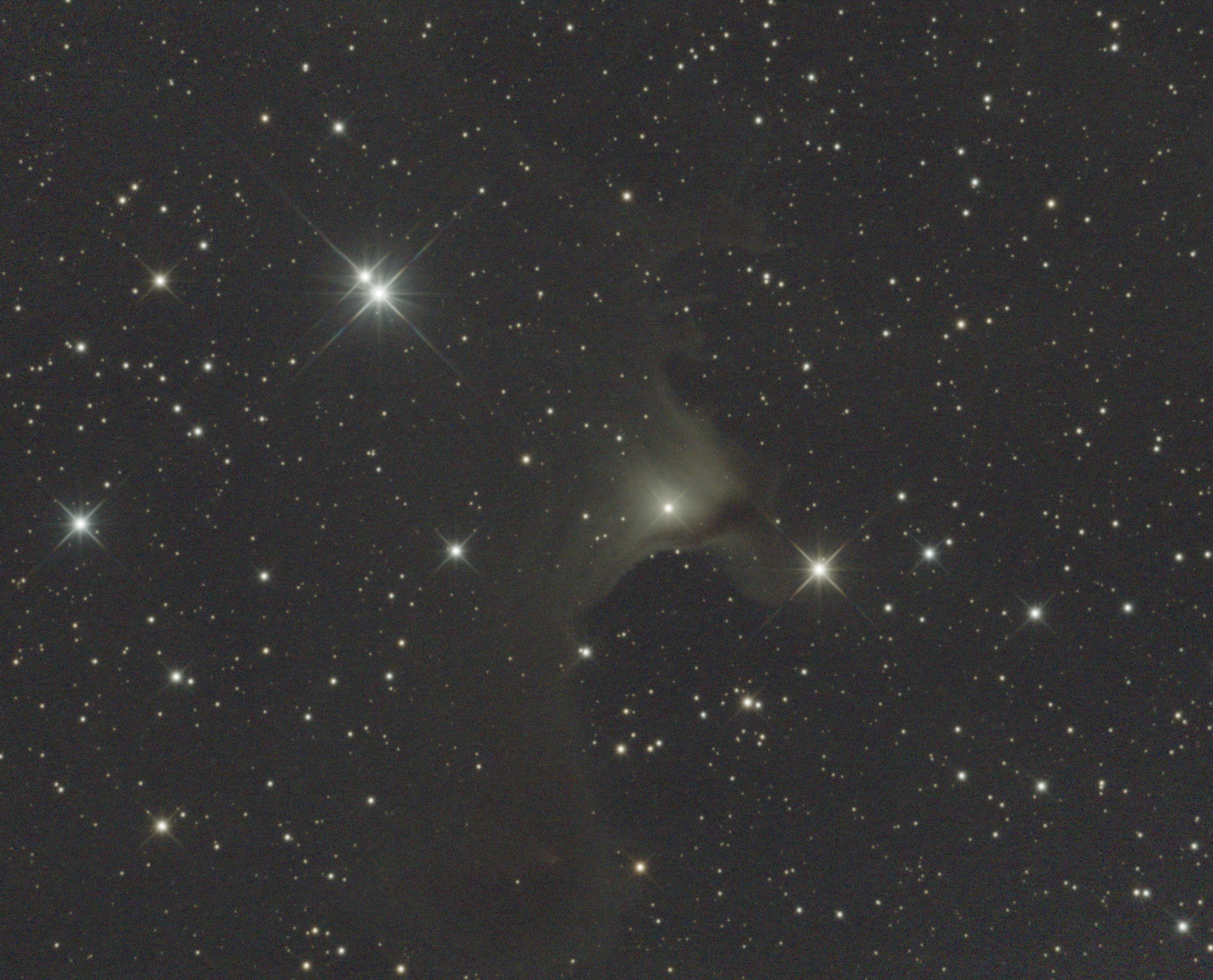
Cleaner background, stronger faint signal — ready for stretching and finishing.
Star Mask
Starless generates a clean, ready-to-use star mask you can export and reuse in your workflow. This makes it easy to process nebulae and background separately, then bring stars back with full control.
After your edits, you can reintroduce the stars directly using Starless — keeping the final image natural, balanced, and exactly the way you want it.
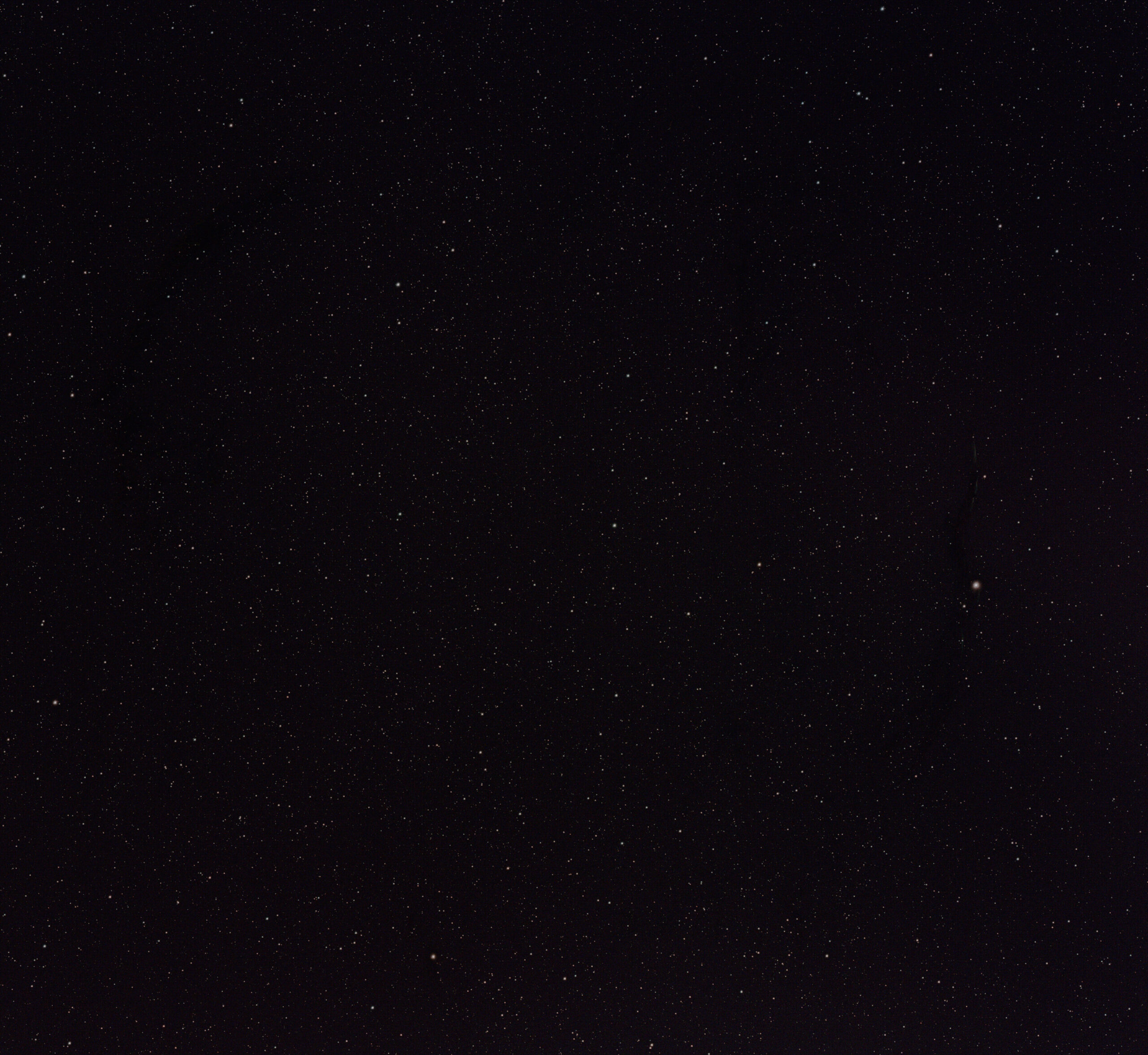
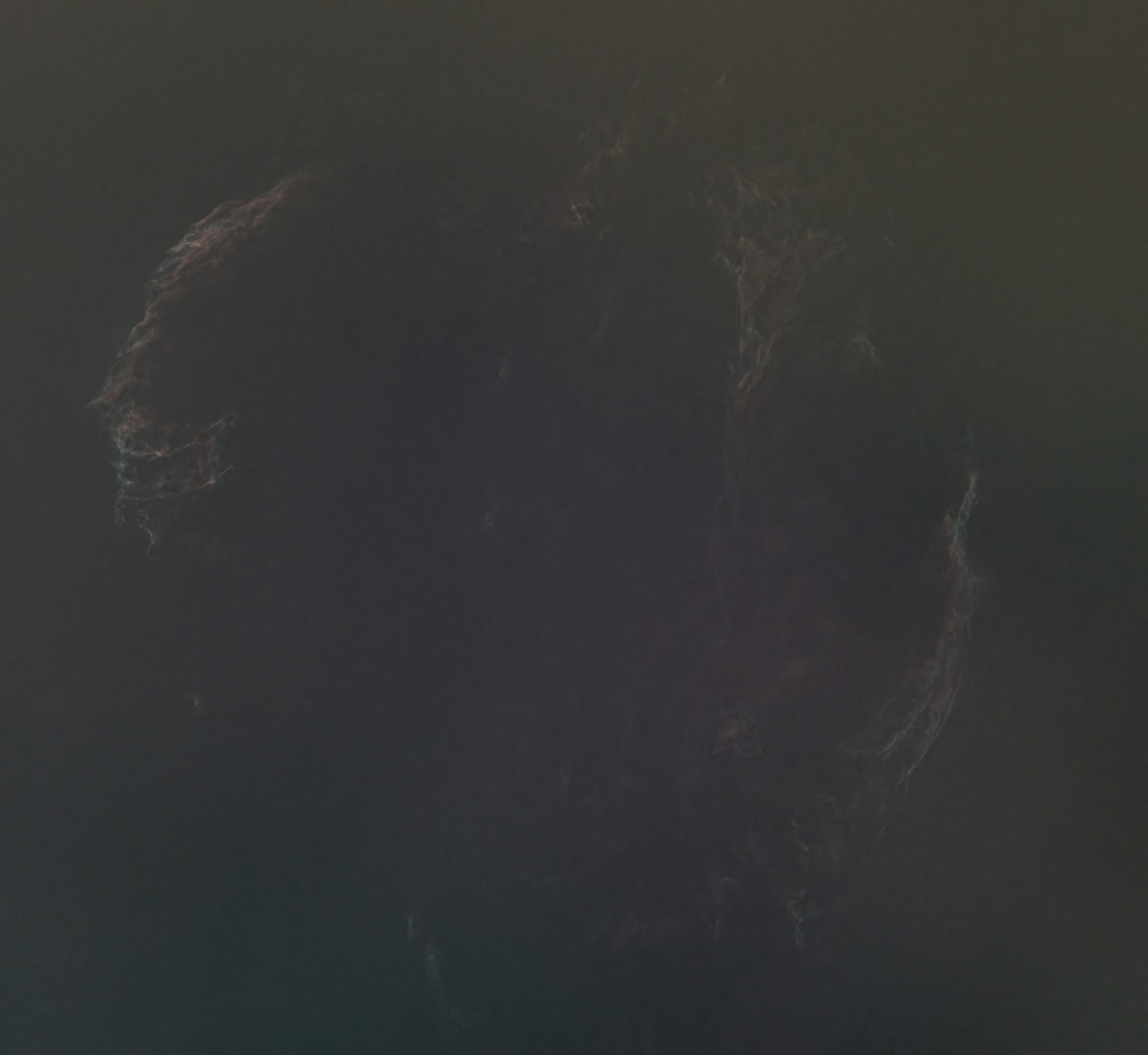
Export the star mask, edit freely, then add stars back — directly in Starless.
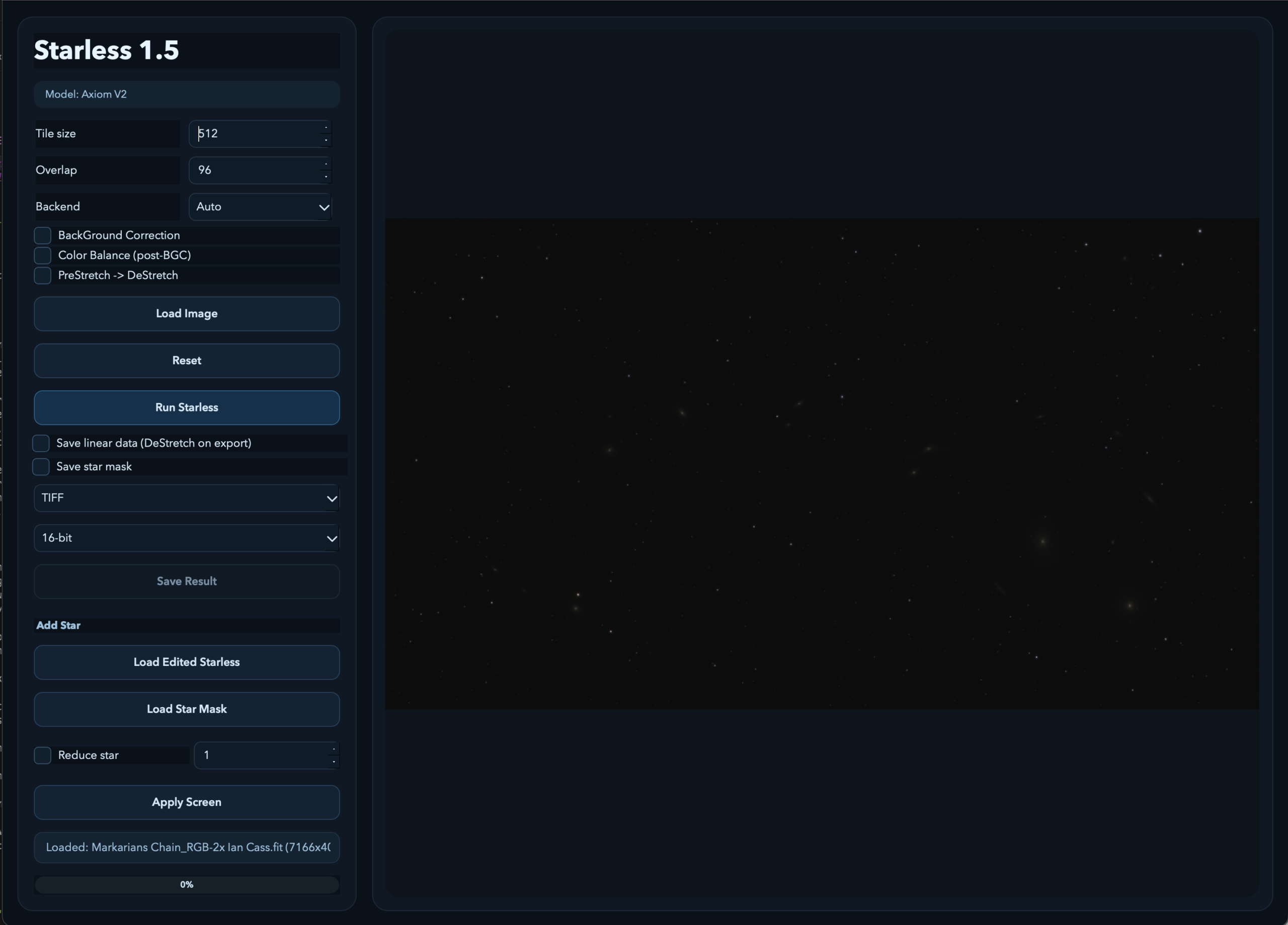
Built for Beginners. Trusted by Experts.
Starless is designed to feel approachable on day one, while still giving experienced users the control they expect in serious astrophotography workflows.
The core know-how behind Starless is not “removing things” — it’s generating an information-rich file that stays clean. No halos, no harsh edges, no synthetic-looking leftovers. Just a result that remains faithful to the data and ready for real editing: stretching, color work, contrast, and finishing.
The result is a structurally reliable image — stable, information-rich, and ready for demanding processing.
Final Result Quality
Precision star removal with structure preservation — ready for stretching, grading, and finishing.