

Skip to content
Advanced Noise Kill & Signal Extractor

DeepPrism

AI

From noise to signal. From chaos to clarity.

Not just cleaner pixels.
Real signal, pulled out of the dark.

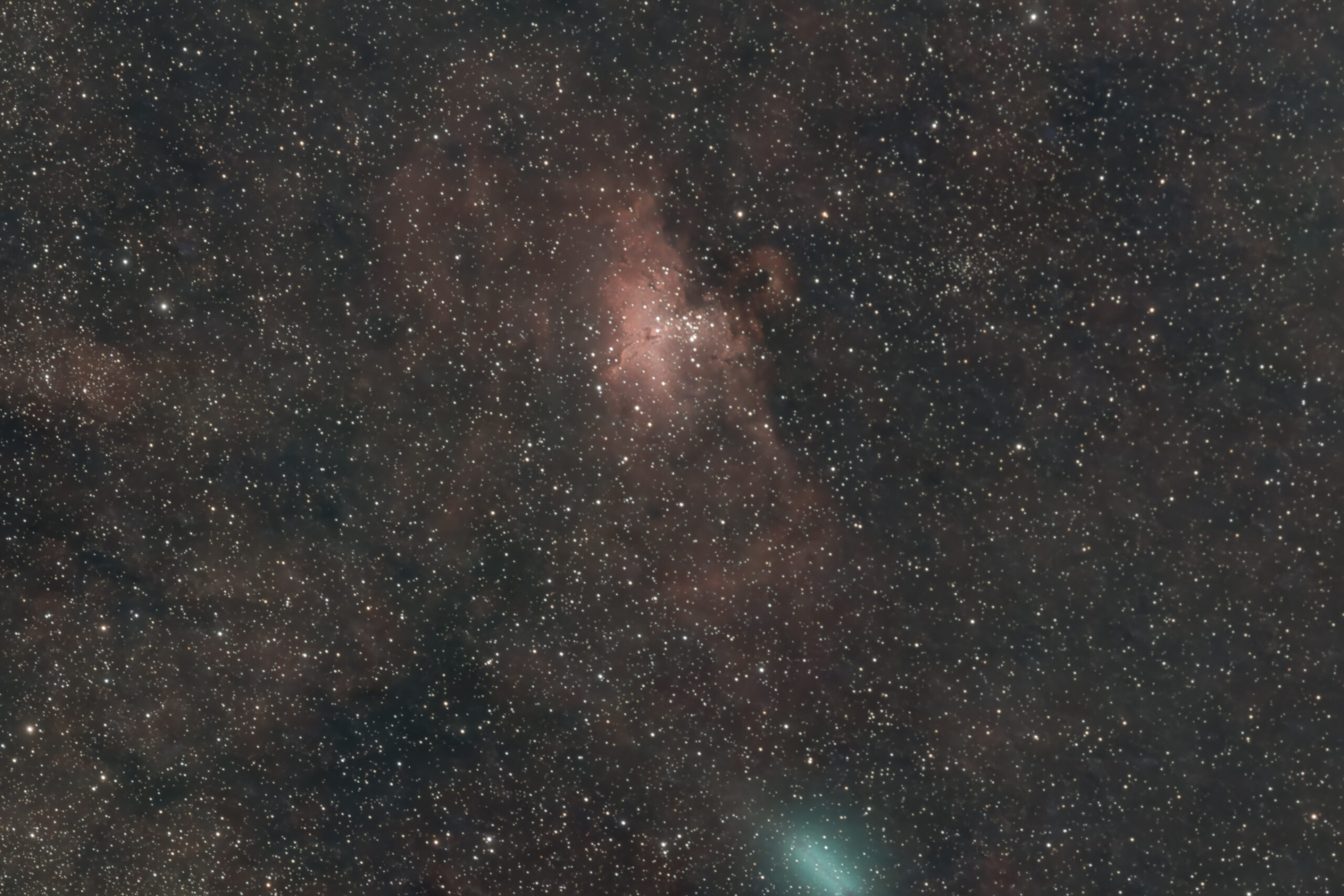
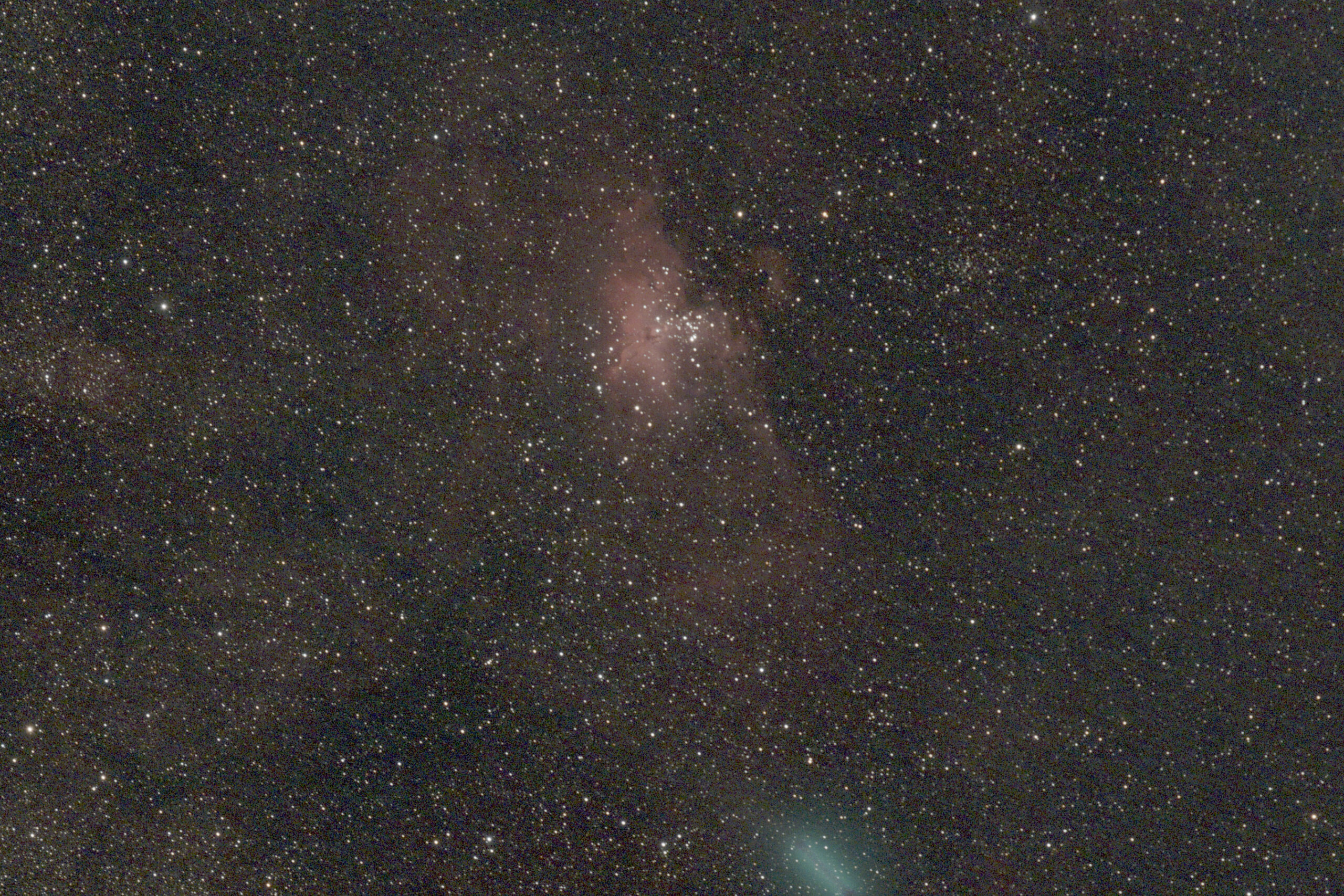
PRISM deep removes heavy noise while preserving faint structures and star detail, so your raw frame becomes publish-ready.

After - PRISM deep result
Before - noisy astrophotography image
Before
After

Drag or swipe to compare

Low-light detail restored Fine stars preserved Natural texture retained

Built for
Astrophotography Workflows

Prism Deep is designed for real astrophotography data, preserving faint structures, filamentary detail, and stellar integrity while suppressing the noise that buries signal.

01

High Bit-Depth Ready

Built for precision workflows with support for high-dynamic-range imaging pipelines, where weak structures and subtle gradients cannot be sacrificed.

02

Signal-Preserving Inference

Prism Deep is trained to separate astrophysical signal from noise patterns while maintaining fine structures, faint nebulosity, and local contrast.

03

Large Image Workflow Support

Designed for real-world astronomical processing with tiled inference, enabling consistent denoising across large deep-sky frames without breaking detail continuity.

04

Made for Deep-Sky Data

Not a generic photo denoiser. Prism Deep is built specifically around the structure, noise behaviour, and statistical reality of astronomical imaging.

Not Just Noise Reduction

Prism Deep does more than smooth an image. It is designed to recover usable structure from noisy astrophotography data, improving clarity without falling into the usual traps of blur, waxy textures, or destructive filtering.

Instead of acting like a classic denoise filter, Prism Deep applies a neural model trained on astrophotography-specific data to distinguish meaningful sky signal from random and structured noise at the pixel level.

The result is a cleaner background, more reliable faint detail, and a stronger foundation for every next step in the workflow — stretching, color, contrast, sharpening, and local enhancement.

PRISM Deep Comparison
Head-to-Head Benchmark

We welcome comparison.

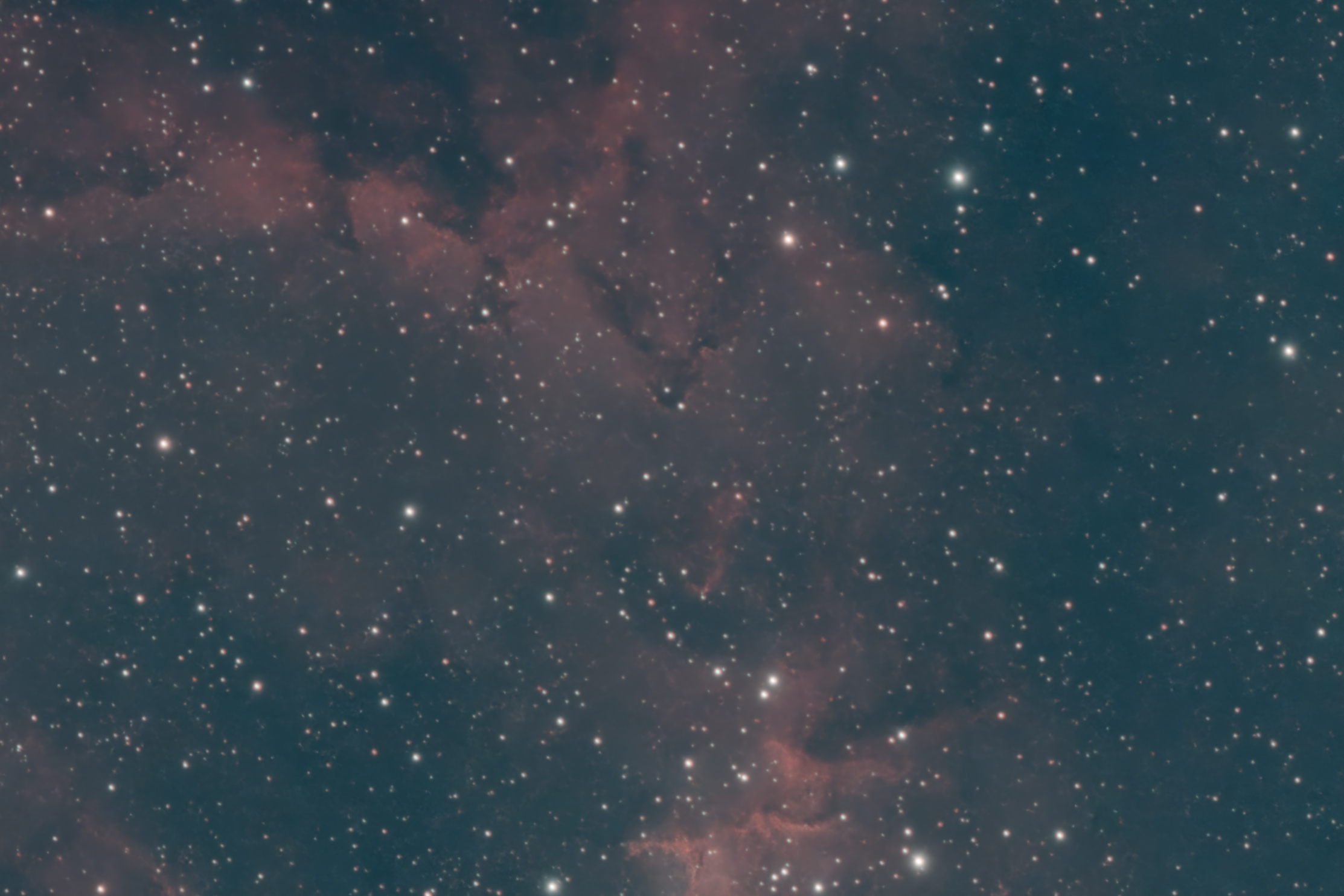
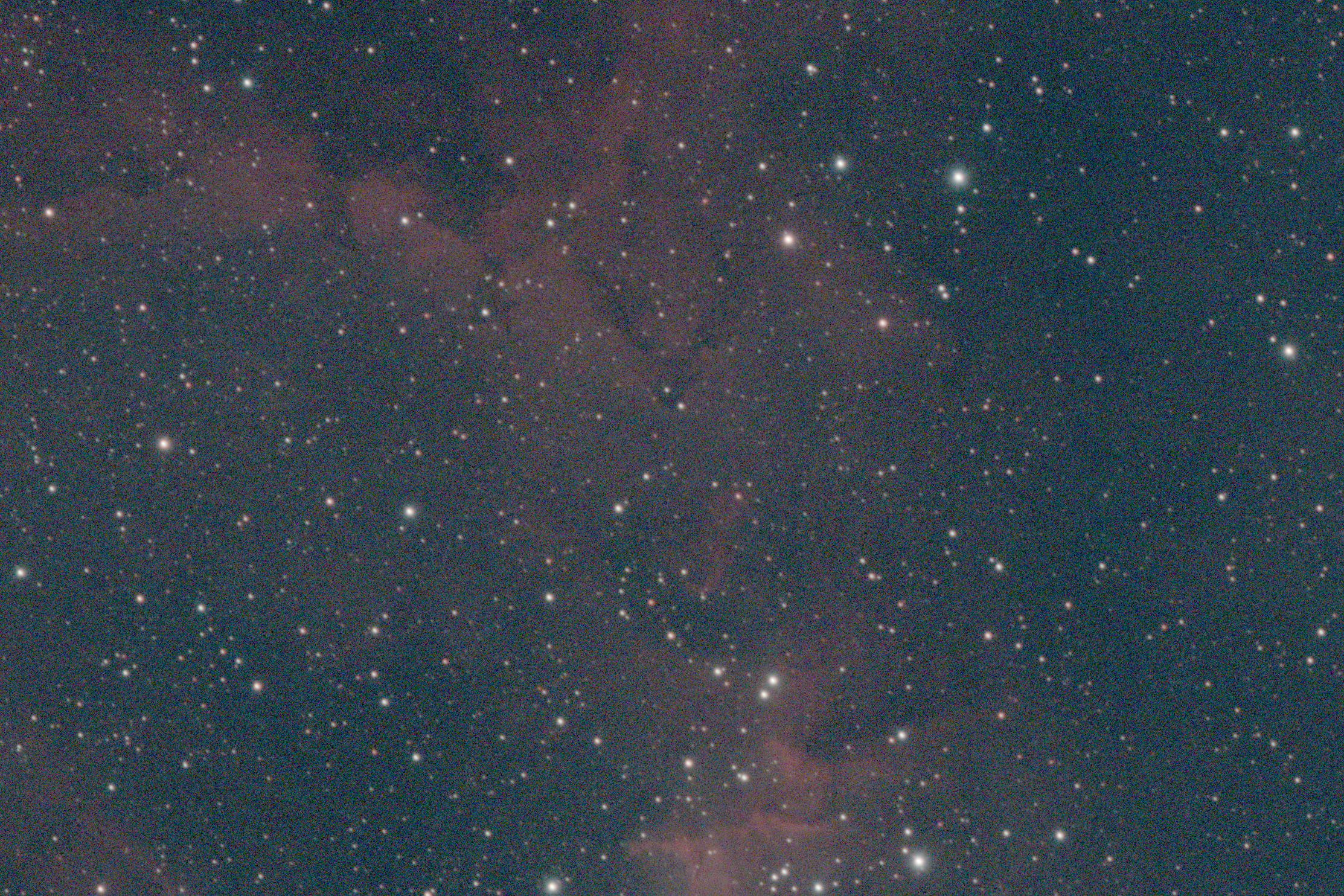
New, fast, and built to challenge everyone. Put PRISM deep next to any commercial denoise and judge the signal for yourself.

Original
Prism deep

Get Access PRISM deep

Unlock the full denoise pipeline and push your astrophotography detail further.

Get Access
PRISM Platform Availability
Workflow Compatibility

Available for PixInsight · Siril · Seti Astro Suite · Photoshop cc

PRISM deep integrates directly into modern astrophotography workflows. Use it with PixInsight, Siril, or Seti Astro Suite to maintain a clean, efficient processing pipeline while extracting deeper signal and reducing noise.

PixInsight Siril Seti Astro Suite

What the community is saying

Prism Deep - Technical Overview
Technical Overview

Prism Deep: Model and Methodology

This section summarizes the algorithmic and data-design principles used in Prism Deep for astrophotography denoising under low-SNR conditions.

1. Noise Model and Astrophotography Constraints

Astrophotography is a noise-limited imaging regime in which weak astrophysical signal is frequently embedded in stochastic noise. In low-photon conditions, denoising must be formulated as a signal separation problem rather than a generic smoothing task.

The dominant degradation sources include photon shot noise, sensor readout noise, dark current noise, photo-response non-uniformity, and sparse outliers such as hot pixels and cosmic ray artifacts. Prism Deep is designed to operate under these statistical constraints and to isolate astrophysical signal from structured and unstructured noise while retaining faint spatial content.
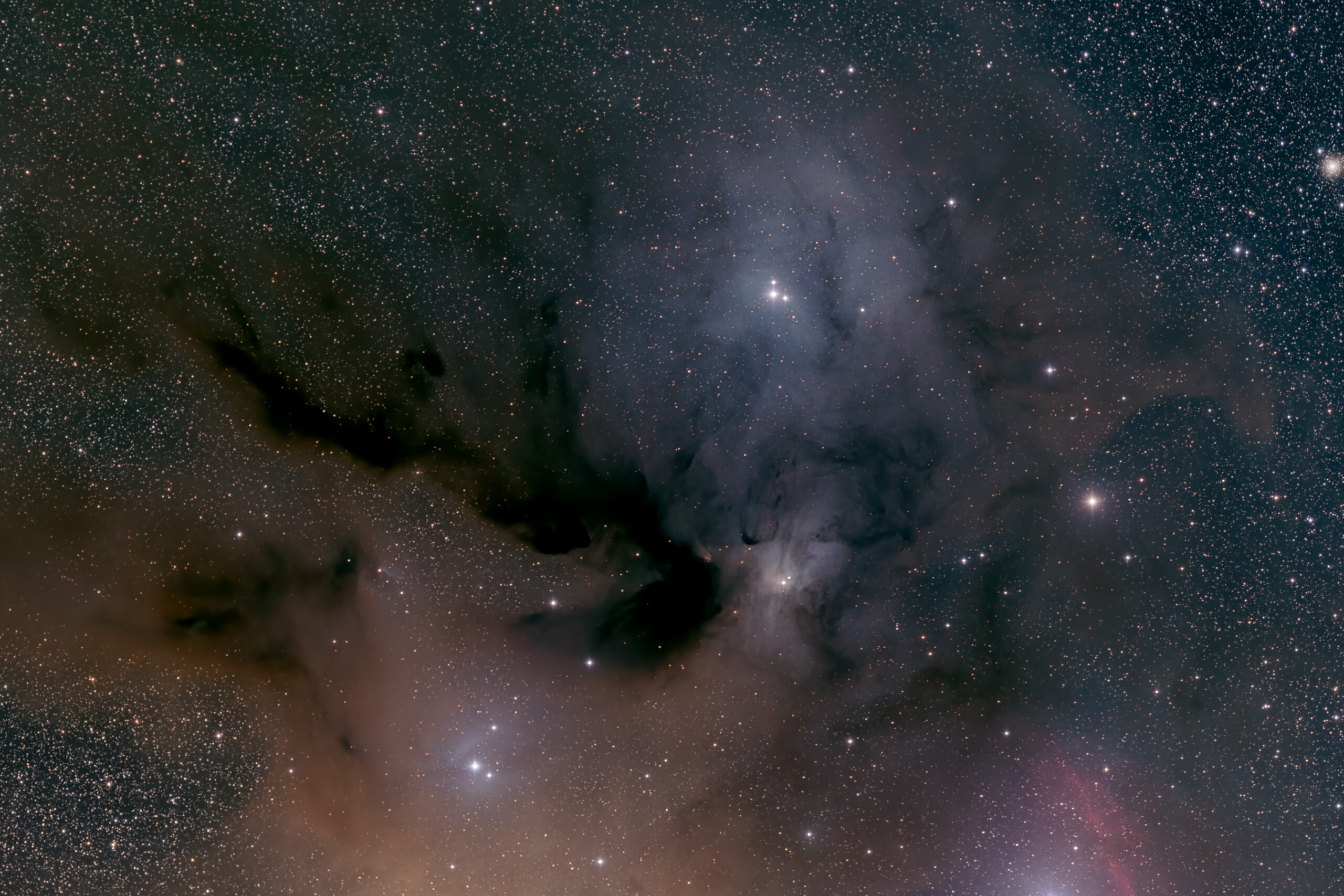
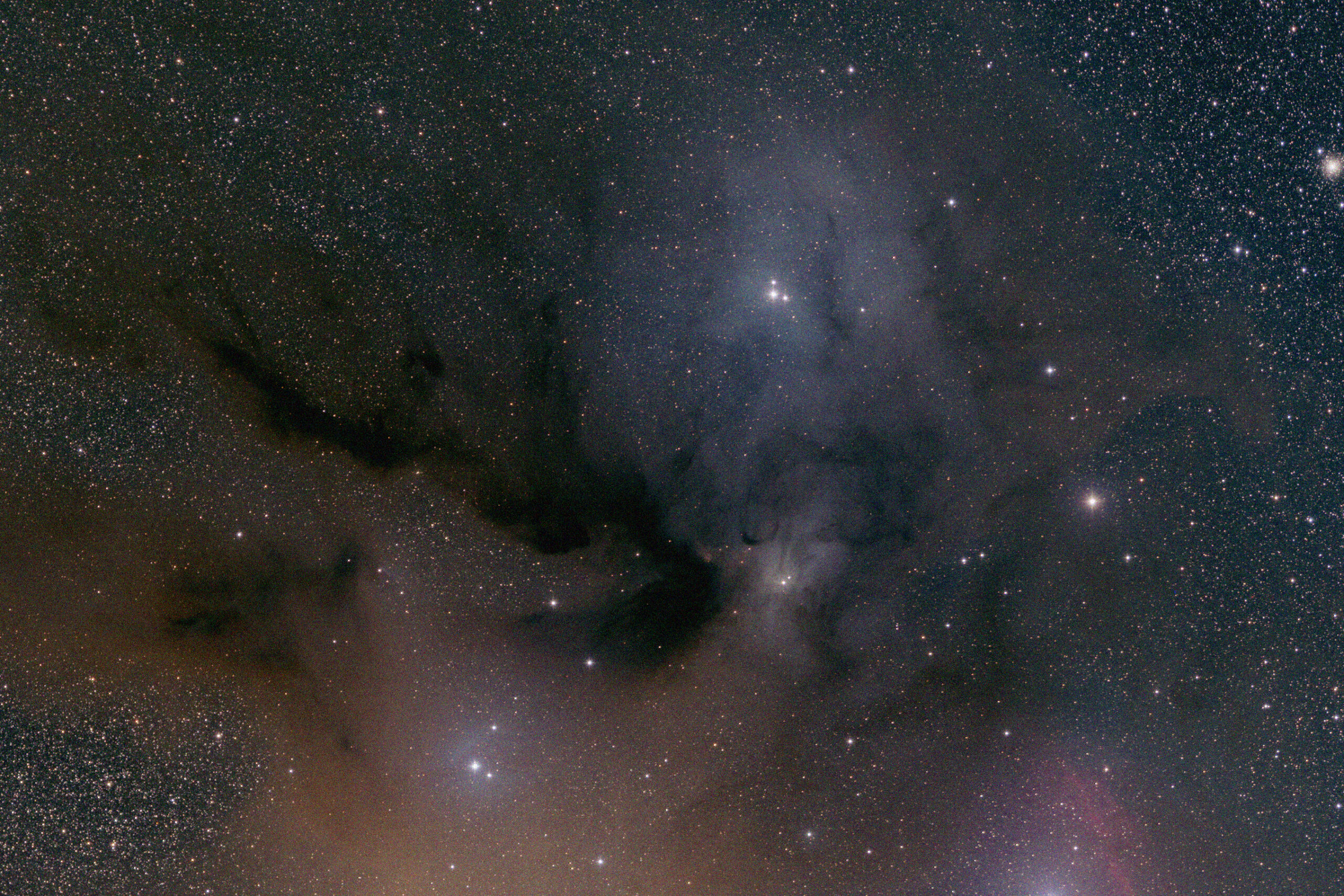
2. Training Data and Dataset Construction

The model is trained on paired astrophotography data composed of noisy low-SNR inputs and corresponding higher-SNR references generated through stacking and controlled preprocessing pipelines. This pairing constrains the learning target to physically plausible restorations.

Training is patch-based: large numbers of tiles are extracted from real astronomical frames so that the network learns sky-domain statistics instead of generic photographic textures. Dataset curation is focused on deep-sky targets, including nebulae, galaxies, and dense star fields, with explicit attention to preserving faint diffuse emission and filamentary structure.

3. Neural Architecture

Prism Deep adopts a convolutional encoder-decoder restoration architecture with multi-scale feature extraction, residual learning, and skip connections. The encoder captures context at increasing receptive fields, while decoder reconstruction preserves fine spatial detail through high-resolution feature fusion.

This design allows simultaneous modeling of fine-scale noise patterns and large-scale diffuse morphology, reducing noise without collapsing low-intensity astrophysical structures.

4. Loss Functions and Training Strategy

Optimization uses a hybrid objective combining L1 reconstruction loss with structural similarity constraints (SSIM-style terms). L1 stabilizes pixel-level regression and discourages large photometric deviations, while structural terms preserve local contrast organization and morphology.

The combined objective improves structural and photometric fidelity, helping maintain nebular gradients, weak emission boundaries, and low-contrast features during denoising.

5. Inference on Large Astronomical Frames

High-resolution astronomical frames are processed with tiled inference. This permits execution on large images while respecting GPU memory limits and maintaining practical throughput on workstation-class hardware.

Overlap and blending strategies are applied at tile boundaries to avoid seams and preserve continuity across the reconstructed frame.

6. Signal Preservation vs Traditional Denoising

Classical denoising pipelines often rely on smoothing filters, frequency-domain attenuation, or wavelet suppression. These methods can reduce visible noise but may also attenuate weak structures and broaden star profiles when aggressively tuned.

Prism Deep instead learns statistical priors of real astrophysical content from paired sky data. This enables suppression of stochastic noise while preserving faint nebulosity, filamentary structures, star profiles, and low-contrast gradients, yielding SNR improvement without destructive smoothing.

Prism Deep is designed for scientifically faithful astrophotography processing, where denoising quality is evaluated by preserved signal integrity as much as by noise reduction.

PRISM - Slider Comparison Fixed

See what stays real.

Drag the split line to compare Before and After.

After
Before
Before
After

PRISM deep is tuned for high-fidelity astrophotography denoising.

Get Access
PRISM Platform Availability
Workflow Compatibility

Available for PixInsight · Siril · Seti Astro Suite

PRISM deep integrates directly into modern astrophotography workflows. Use it with PixInsight, Siril, or Seti Astro Suite to maintain a clean, efficient processing pipeline while extracting deeper signal and reducing noise.

PixInsight Siril Seti Astro Suite